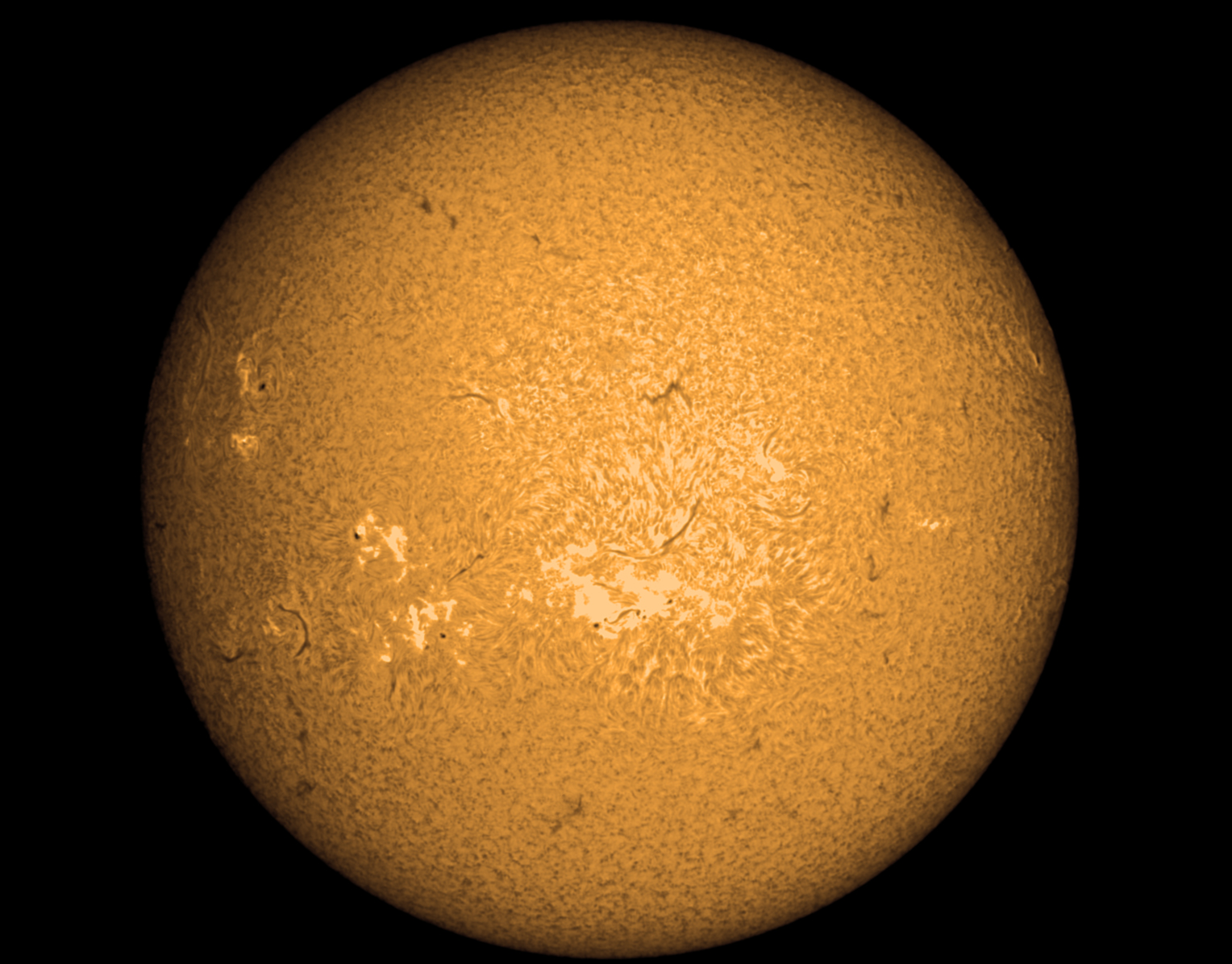
It was a nice day for solar imaging. The image was taken with a Lunt 80mm refractor and an Imaging Source Video camera. The sub exposures were taken at a rate of four per second. A total of 1000 images were taken and half of them were stacked to form the final image in Registax and the final images were processed in Photoshop.
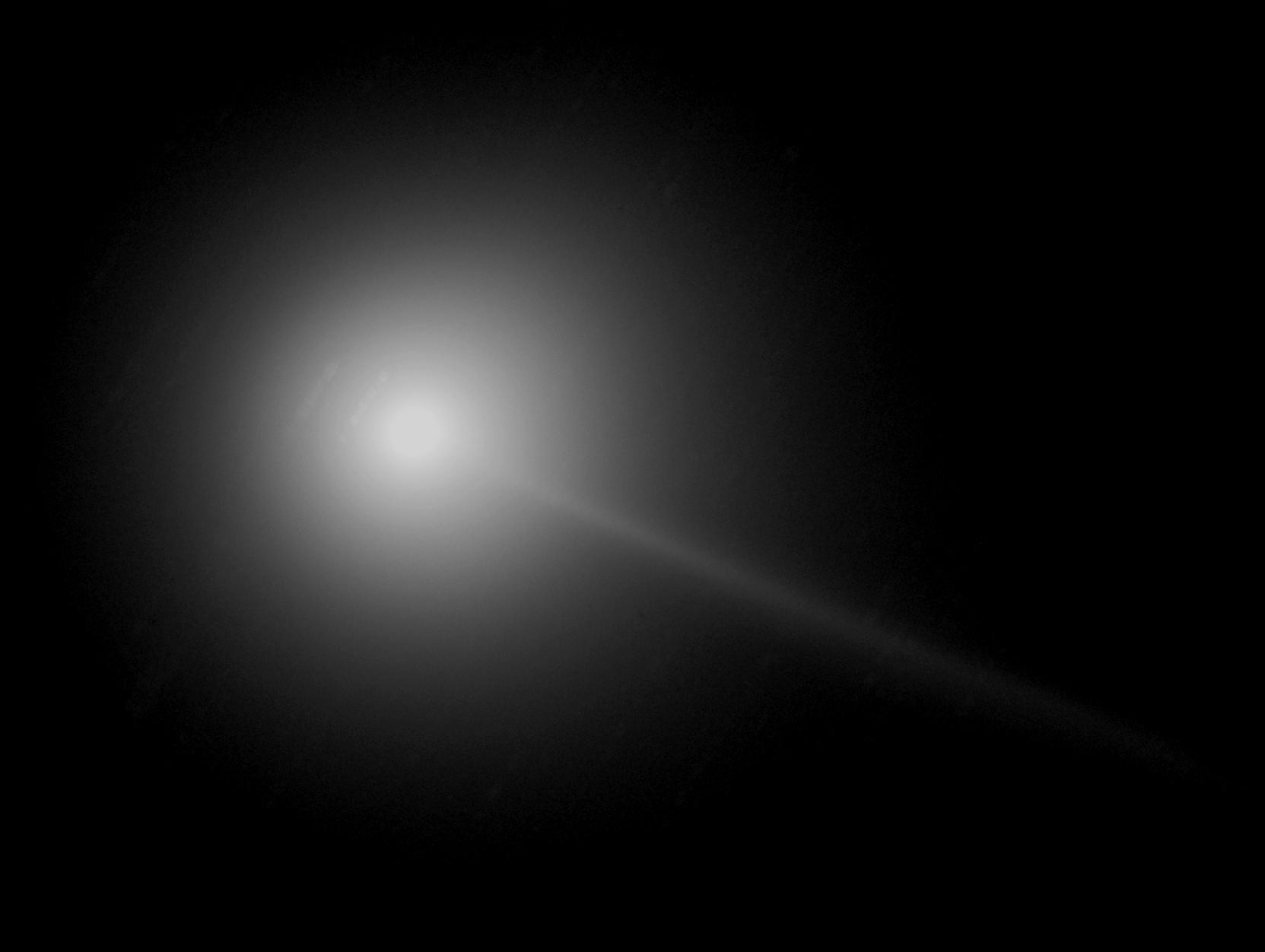
Comet Lovejoy
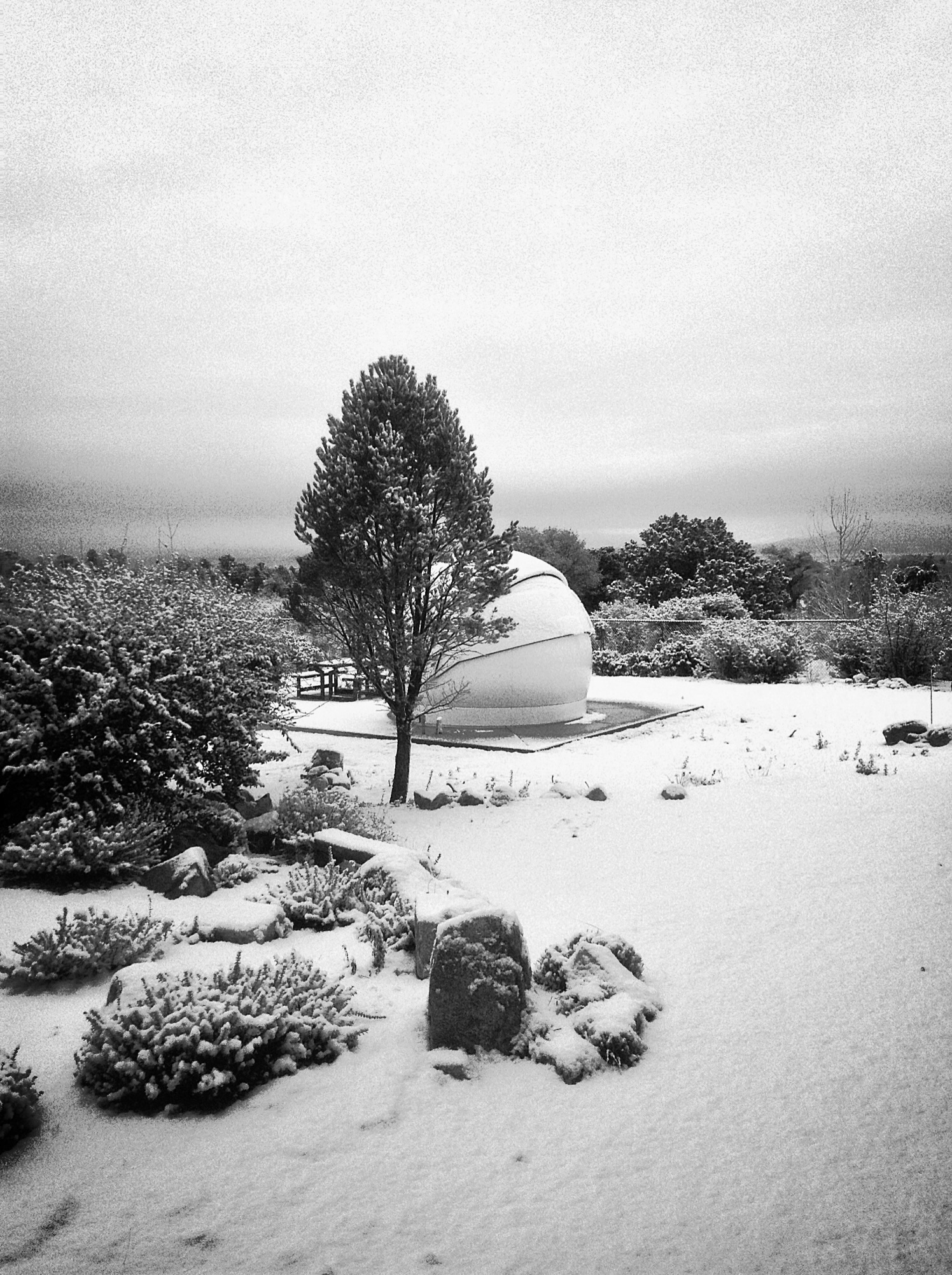
Snow brings in the New Year at Astro La Vista Observatory.
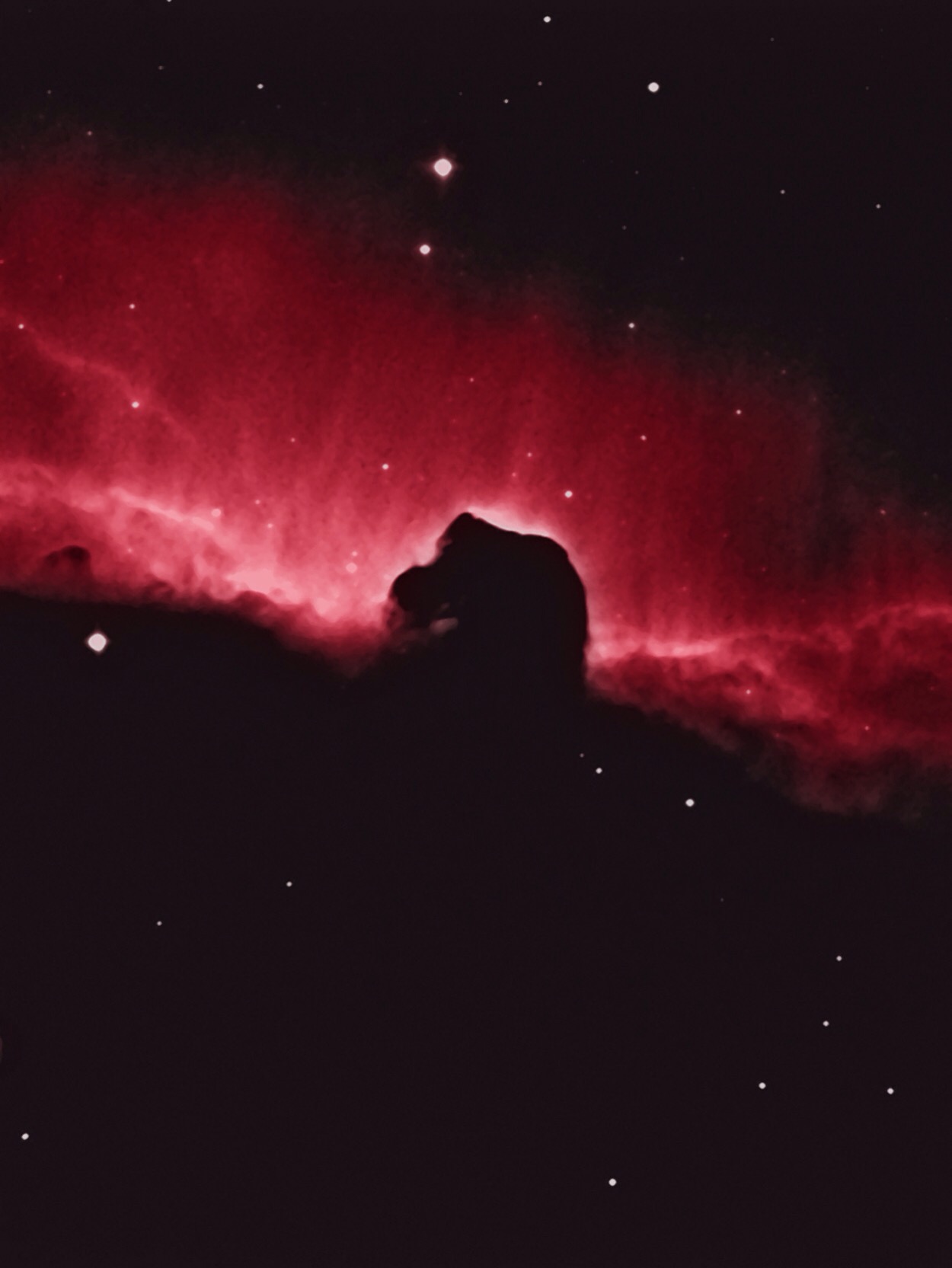
My first 30 minute sub exposure of the Horsehead Nebula.
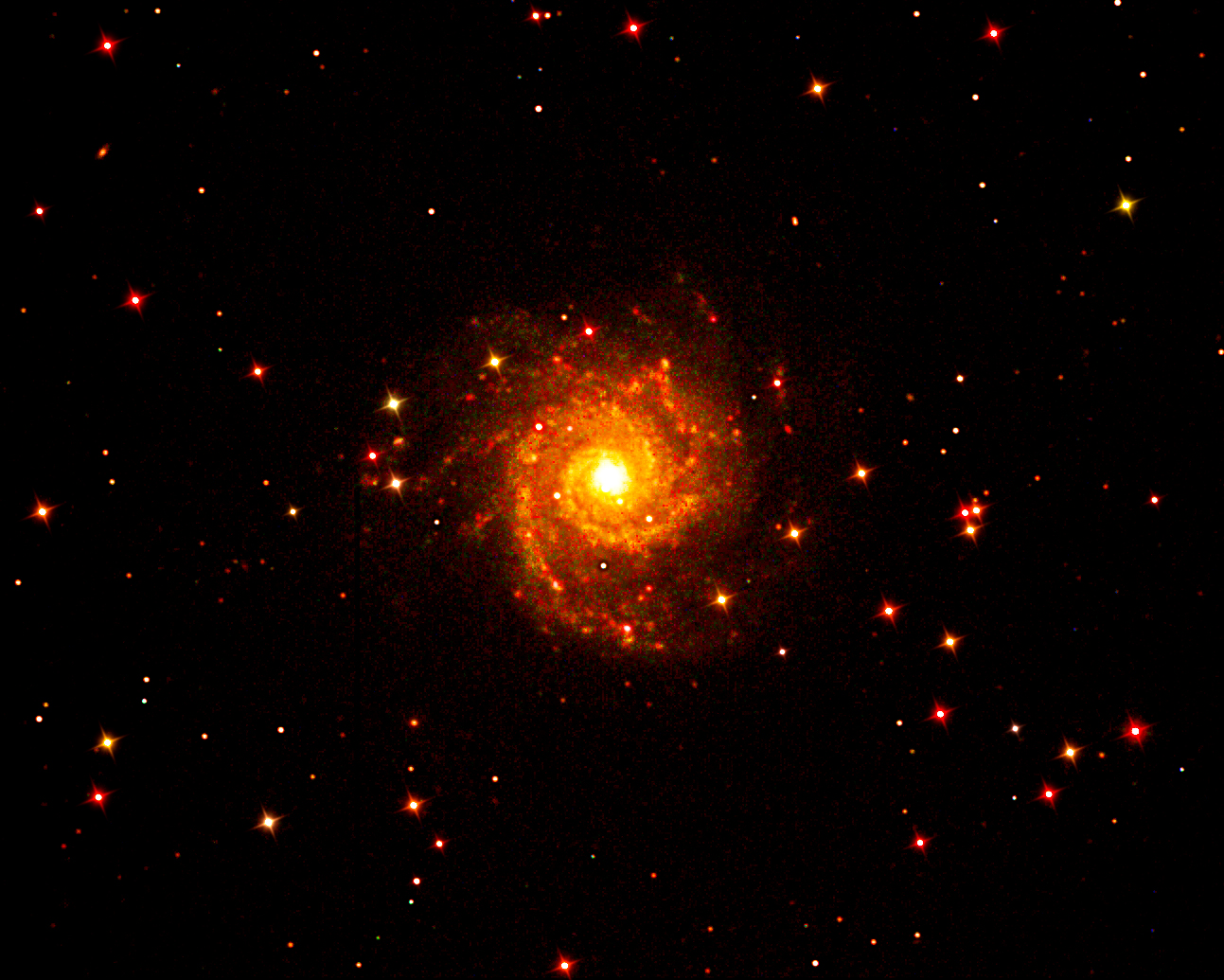
Messier 74 – Spiral Galaxy
The best of twenty 200 second LRGB images of Messier 74 that were taken through the Celestron EdgeHD 11 telescope with a QSI583wsg camera. The images were acquired, stacked and processed using Maxim DL and Photoshop.
From Wikipedia…
“Messier 74 (also known as NGC 628) is a face-on spiral galaxy in the constellation Pisces. It is at a distance of about 32 million light-years away from Earth. The galaxy contains two clearly defined spiral arms and is therefore used as an archetypal example of a Grand Design Spiral Galaxy. The galaxy’s low surface brightness makes it the most difficult Messier object for amateur astronomers to observe. However, the relatively large angular size of the galaxy and the galaxy’s face-on orientation make it an ideal object for professional astronomers who want to study spiral arm structure and spiral density waves. It is estimated that M74 is home to about 100 billion stars.”
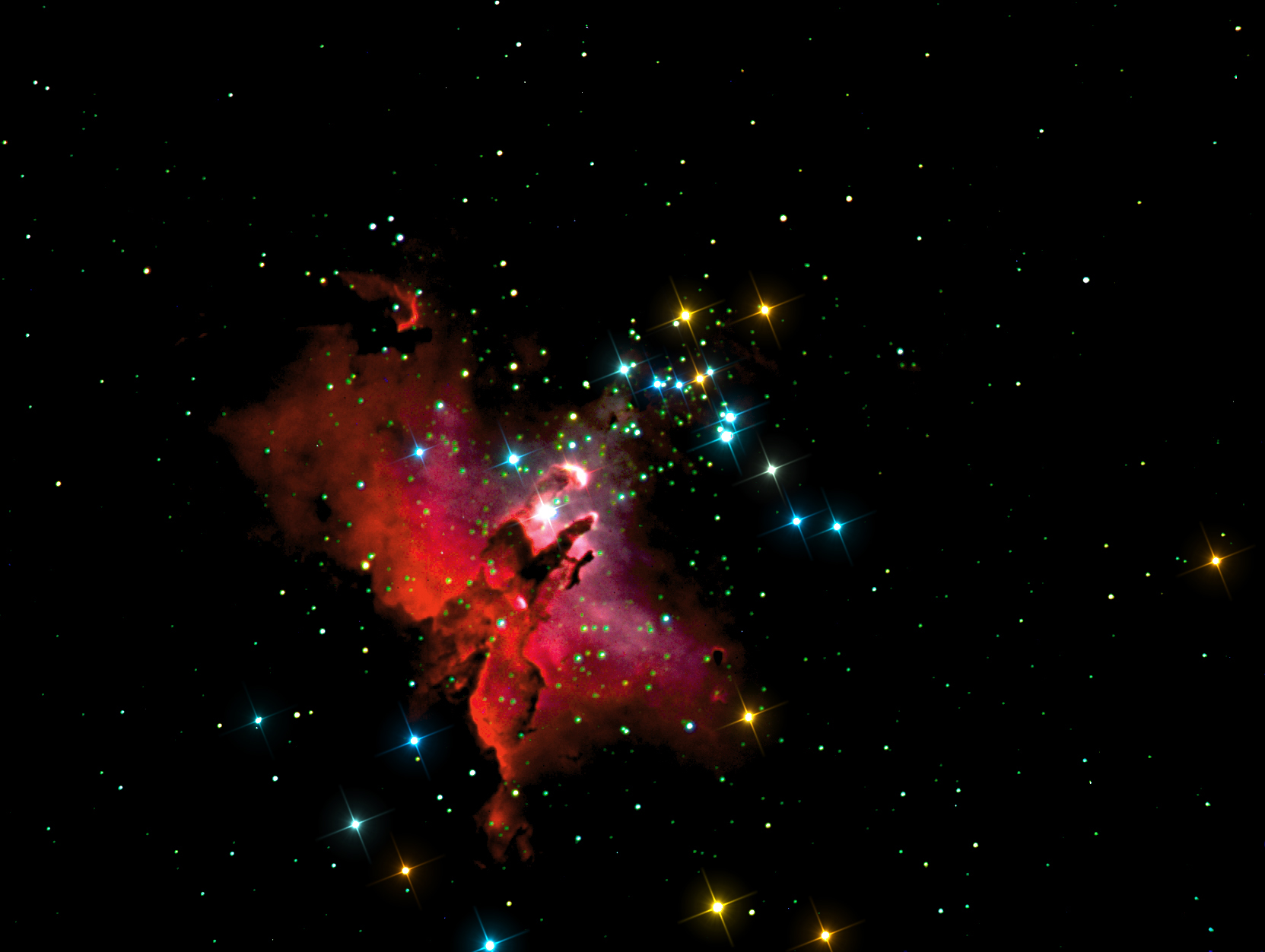
The Eagle Nebula – Colorized
Pillars of Creation – Eagle Nebula
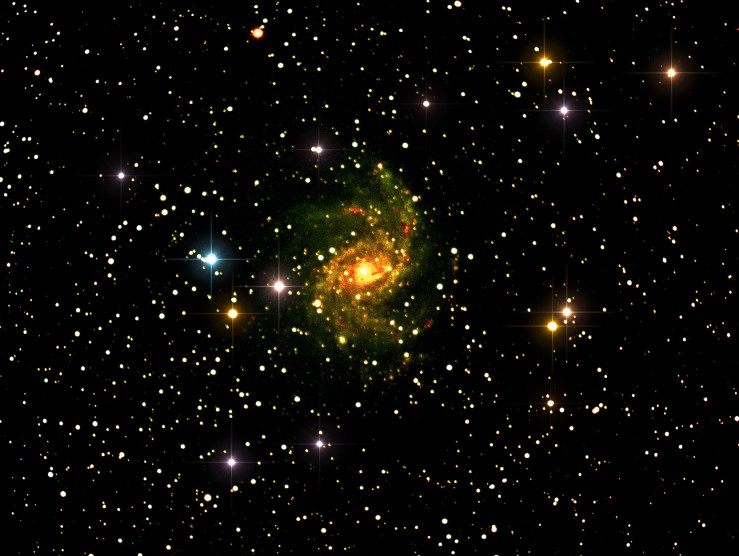
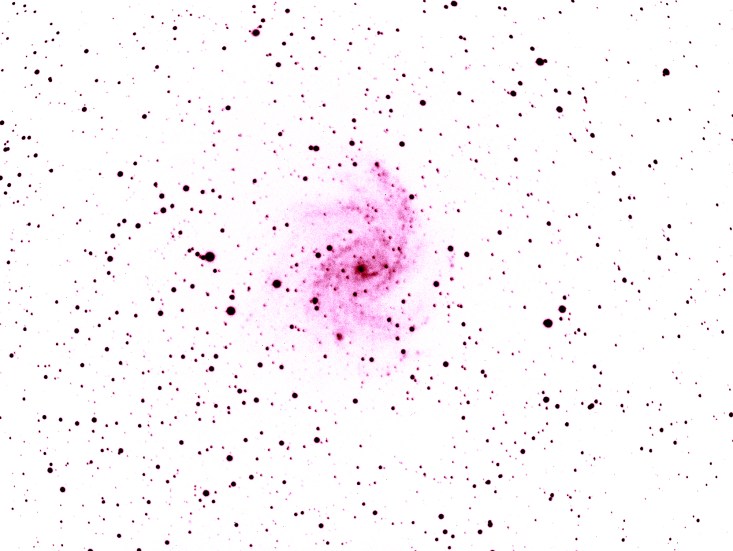
Fireworks Galaxy – NGC 6946
Discovered in 1789 by William Herschel the Fireworks Galaxy in the Constellation Cygnus is relatively nearby at about 22.5 million light-years from earth. Over the years a number of supernovae have been observed in this galaxy. This photo is a combination of four ten minute photos taken with four different filters (luminosity, red, green, and blue). It was taken through the Celestron Edge HD 11 inch SCT telescope at F7. The camera was the QSI 583wsg.
This is also first light for a new mount, the Astro-Physics 1100GTO with absolute encoders. This mount makes it possible to produce photos with 10+ minute exposures versus 2 or 3 minute exposures with the previous mount.