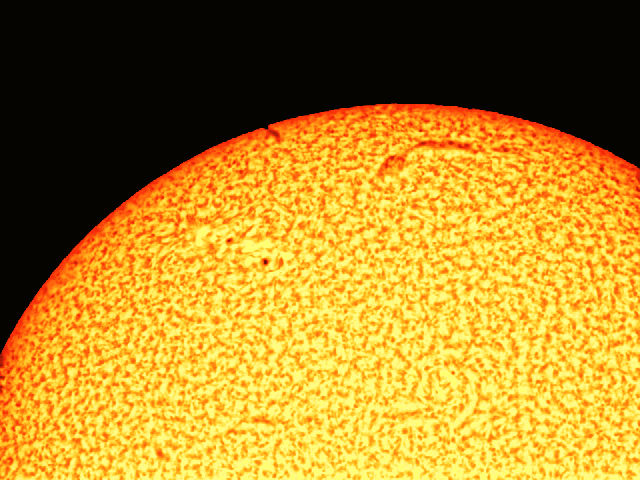
Taken with a Lunt 80mm solar telescope using a DMK 21AU04 camera at 60 fps, 1000 images stacked.
“It is man’s reason that lifts him to the stars.” Ayn Rand
Taken with a Lunt 80mm solar telescope using a DMK 21AU04 camera at 60 fps, 1000 images stacked.

This weather station provides on site weather. It is accessible in the main menu under Astro La Vista Weather.

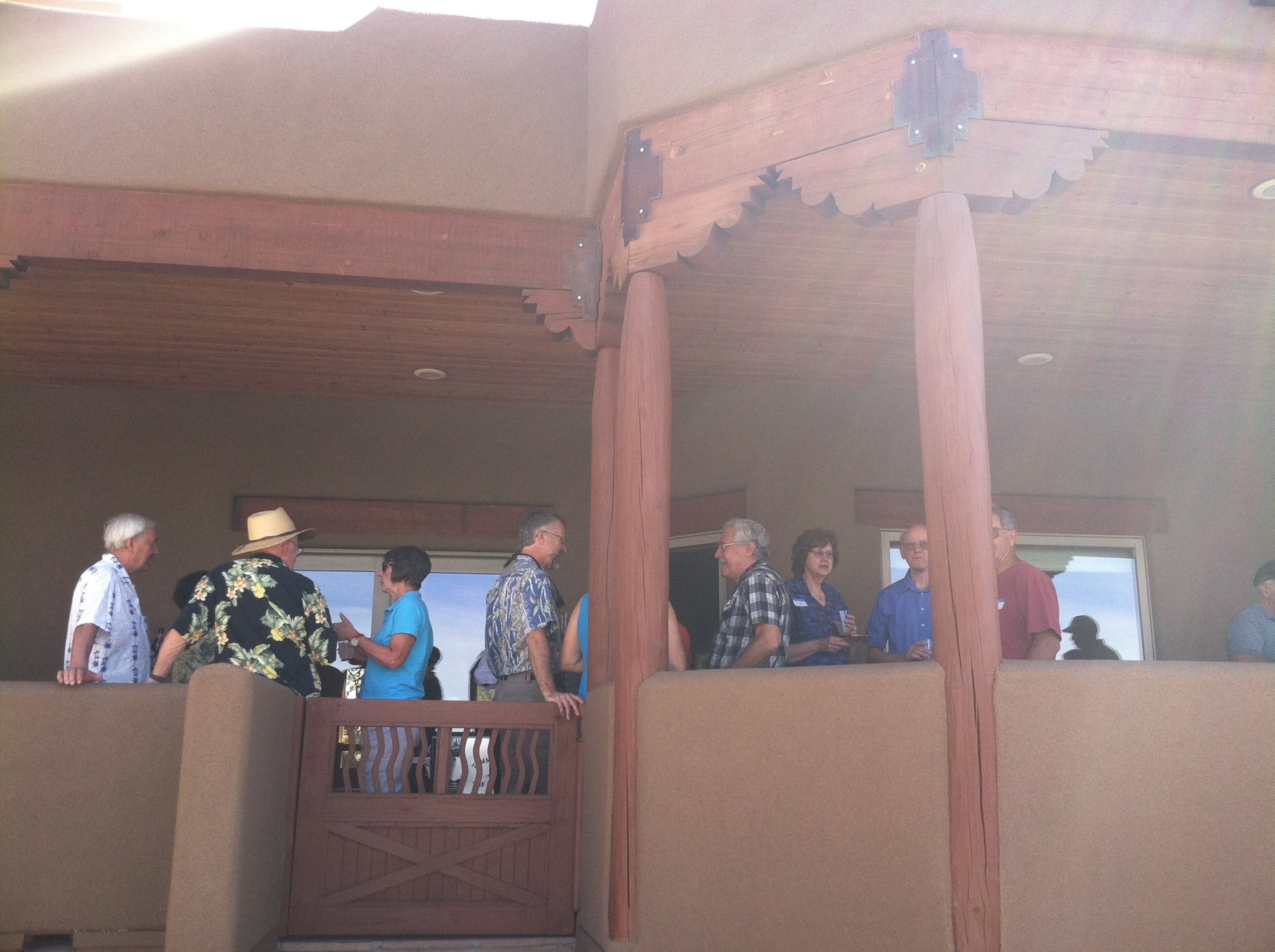
Randy Shivak came to our Summer Solstice event and shared his beautiful solar telescope the attendees.

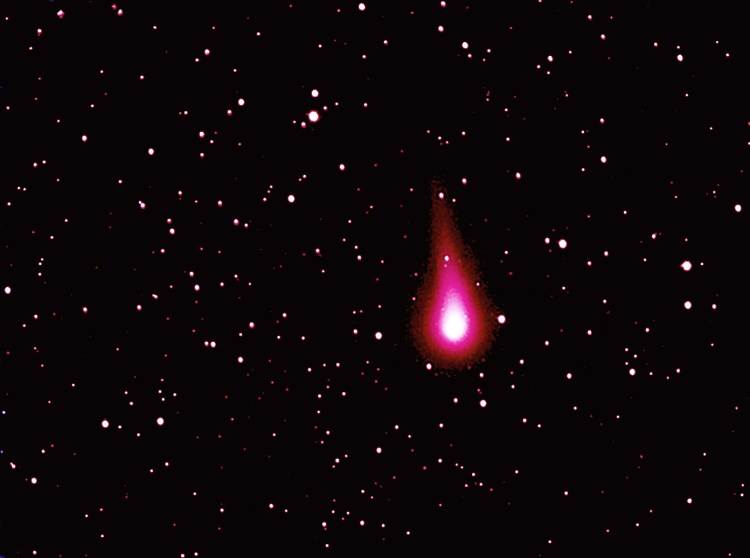
This is the latest photo of this comet. It was imaged using a Hyperstar lens at F2 on a Celestron C11 Edge HD with a Starlight Xpress H9C color camera. The best of 90 images were stacked using Maxim DL and then the image was processed further in Photoshop CS6. The individual exposures ranged between 30 and 300 seconds.

Ten 5 minute LRGB sub exposures stacked in Maxim DL6 and processed in Photoshop CS6. A Celestron 11 EdgeHD SCT telescope at F7 was used to acquire images with a QSI583wsg camera.
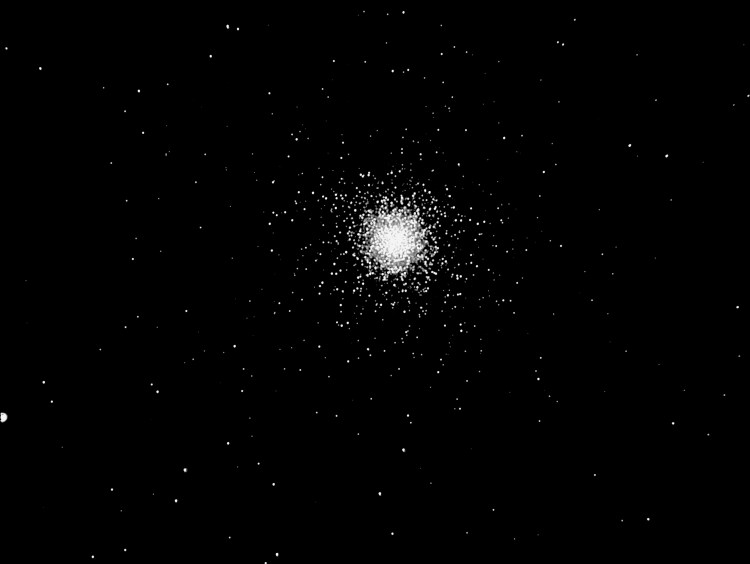
“M13 is generally considered the finest globular cluster in the northern skies, mainly because it is visible to the naked eye in a well-known grouping of stars that sails high overhead in the summer sky. It is a swollen mass teaming with perhaps 300,000 to a half-million suns spread across 140 light years or more.”
Stephen James O’Meara
“Deep-Sky Companions – The Messier Objects”
M13 was taken in monochrome with a Luminosity Filter. The best two of five 120 second photos were stacked. The Telescope was the Celestron C11 EdgeHD at F7 and the camera was a QSI 583wsg. Processed in Photoshop CS6 and Maxim DL.
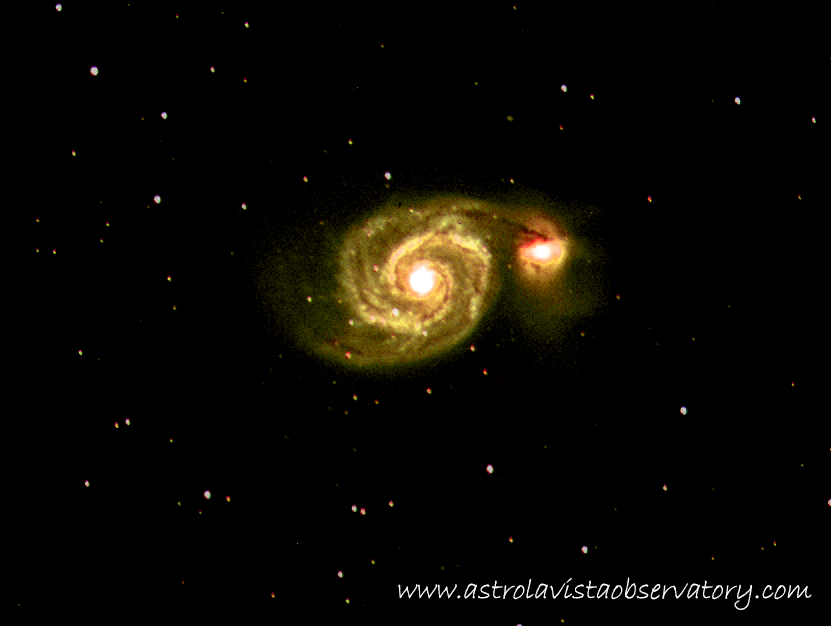
“Once believed to be a great swirling nebula, M51 is now known to be the finest example of a face-on spiral galaxy. A near neighbor of our own galaxy, just 15 million light years away, this graceful pinwheel of stars, dust and gas measures about 50,000 light years across and shines with the luminosity of about 10 billion suns.”
Stephen James O’Meara
This was taken through the 11 inch Celestron Edge HD at F7 and binned 4×4. Twenty 200 second images were taken with LRGB filters and stacked. The camera was a QSI 583wsg. The image was processed in Maxim DL and Photoshop.
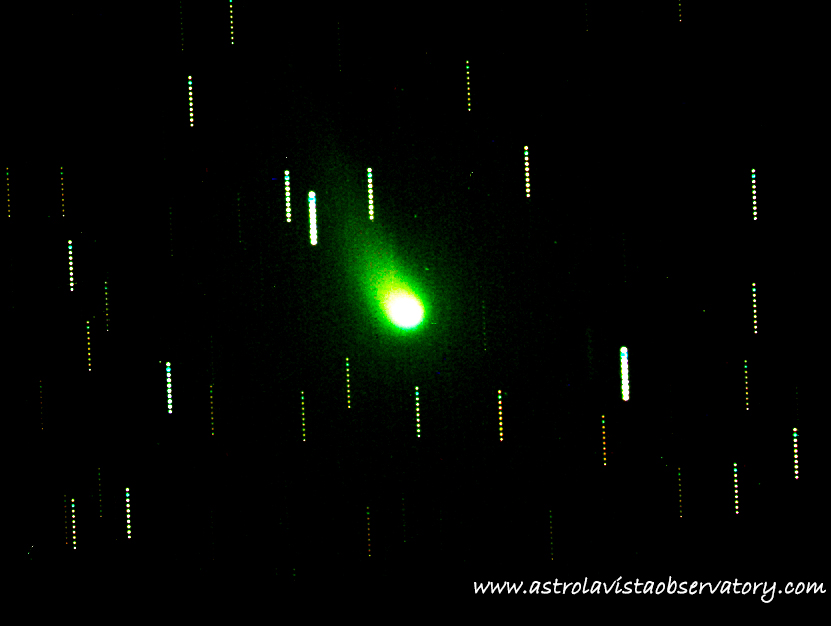
This comet was discovered May 19, 2012 using the Pan-STARRS telescope located in Hawaii. This is a stacked image of 40 half minute exposures through RGB filters taken through the 11 inch Celestron. It was processed in Maxim DL and Photoshop. More info about visible comets can be found here: http://www.aerith.net/comet/future-n.html
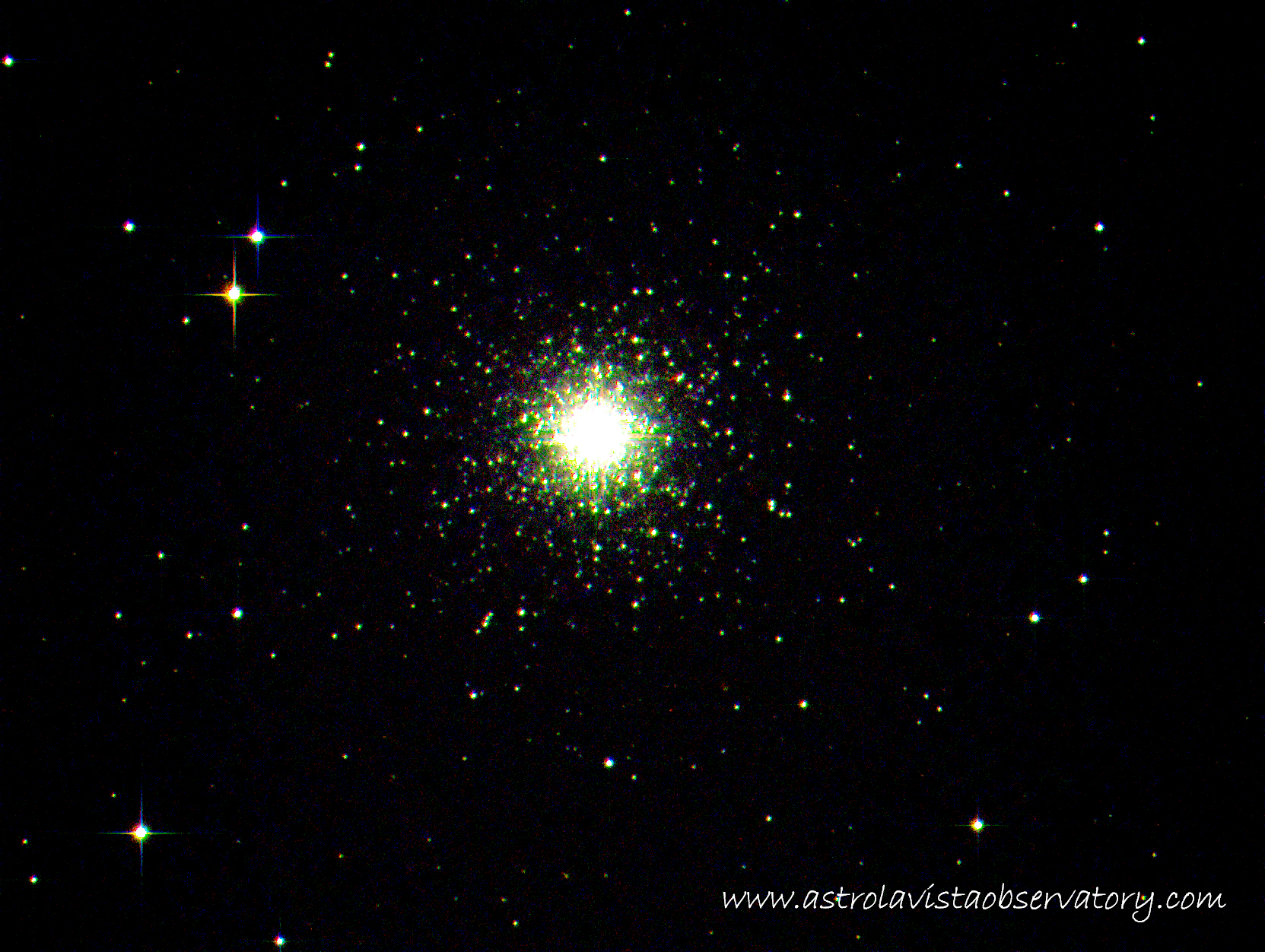
This cluster is 65000 light years distant and has a luminosity of 330,000 times that of the Sun. It was taken with the 11 inch Celestron and represents 20 stacked RGB filtered images of 60 seconds each. It was processed in Maxim DL and Photoshop.

NGC 3628 is the faintest member of a trio of Galaxies in Leo that is also comprised of Messier 65 and Messier 66. It has a beautiful dust lane that is quite evident in this photo. The photo is a stacked composite of the best of twenty 200 second images using RGB filters on the Celestron 11 Edge HD. It was processed in Maxim DL and Photoshop.
 Astro La Vista Observatory