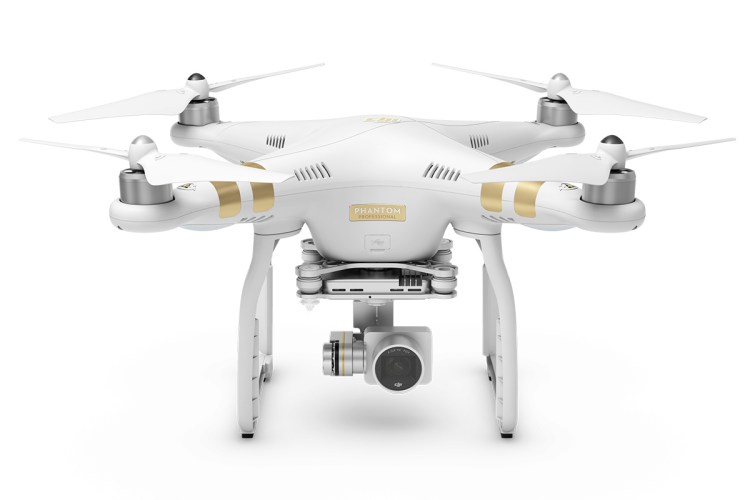
My new “Blueangel” is a drone!
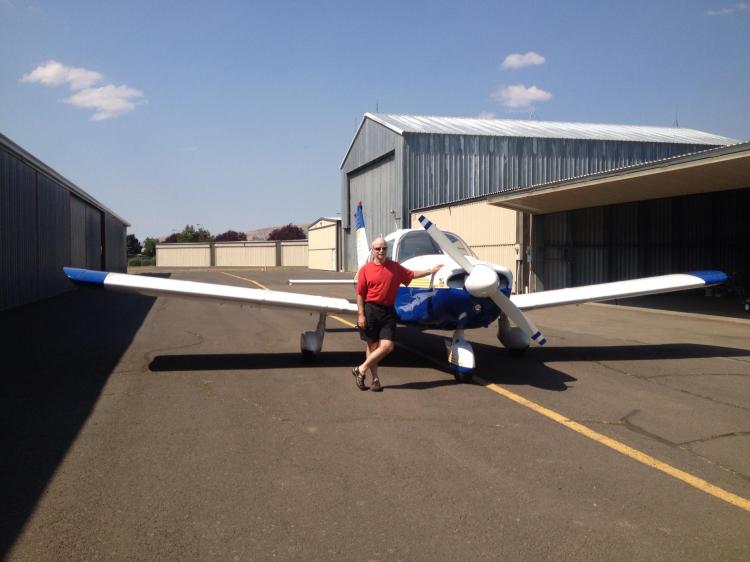
My previous “Blueangel” was a Piper Cherokee 180 which needed to be registered with the FAA. It had propellers, gps nav system, 50 gallon gas tank, altimeter, and various other instruments, but no belly cam and no autopilot. It required expensive AV fuel, upgrades, repairs, insurance, a hangar and flight lessons. I could fly it and land it at airports. My life was in jeopardy every time I took off or landed it. After buying it, it’s ongoing costs were at least $1000/mo. What is the cost to replace the propeller at a certified repair location? Don’t ask! I named it “blueangel” because of its color scheme. It was a blast to fly, but I sold it when I moved to Prescott.
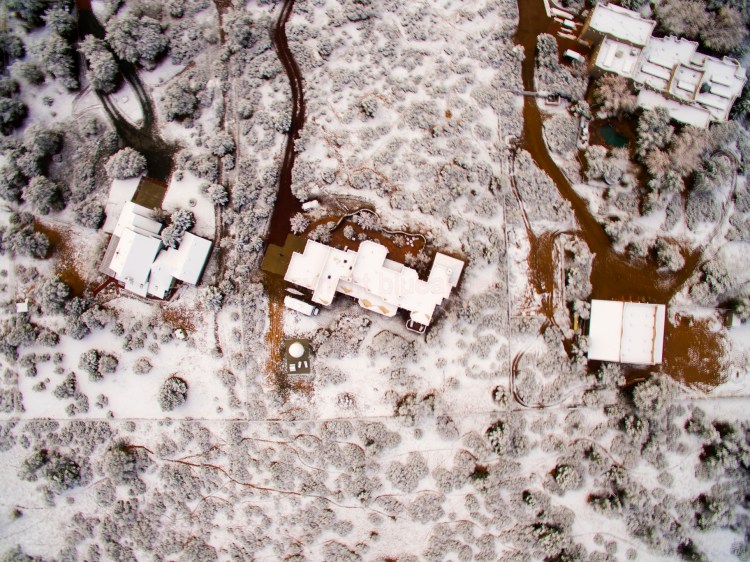
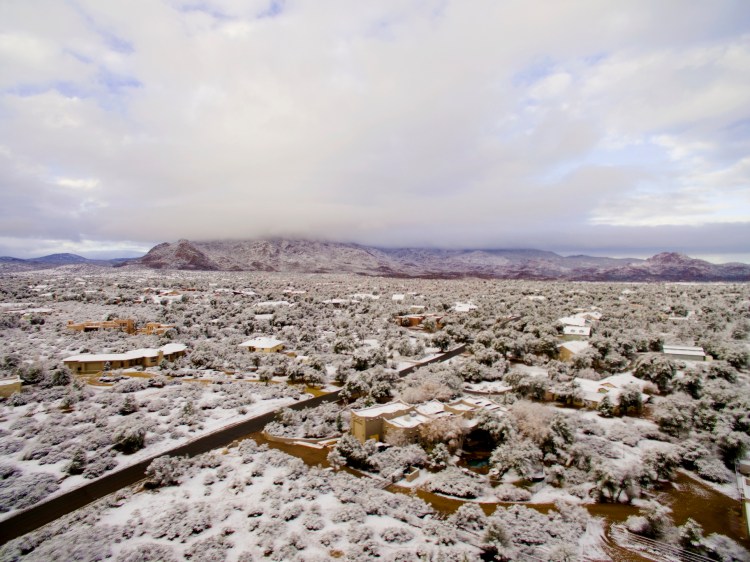
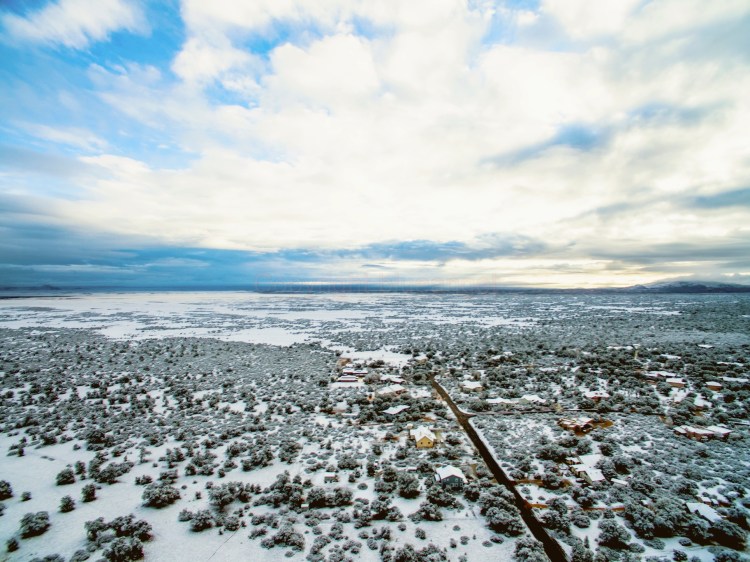
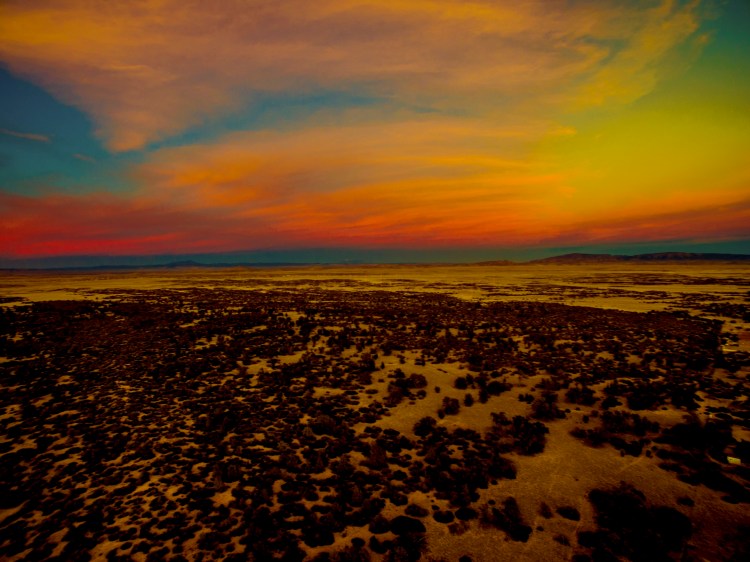
My new “Blueangel” drone needs a new blue decal that was provided in the package to have the correct blueangel color scheme, but so far it has not been installed. It also needs to be registered with the FAA. It has many of the same instruments as the Piper Cherokee as well as an outstanding belly cam that shoots 4K video or 12 megapixel stills, an autopilot, and a lithium battery to replace the 50 gallon gas tank. It required a carrying case and in the rare event that it crashes, I will not be in it. No flight lessons were needed, but it can be flown virtually on my IPAD. After buying it, the ongoing expenses are close to zero. What is the cost to replace a propeller? It can be self installed for $3.50. It cannot take off or land within 5 miles of an airport, but it does not need one. It is also a blast to fly.
What is not to like?
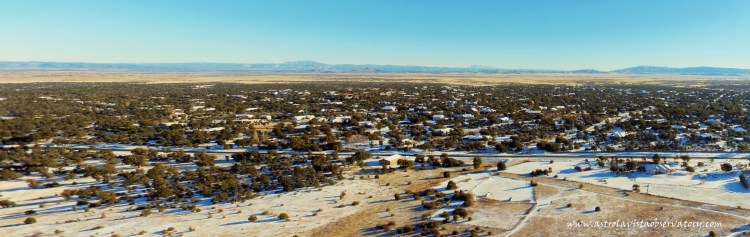
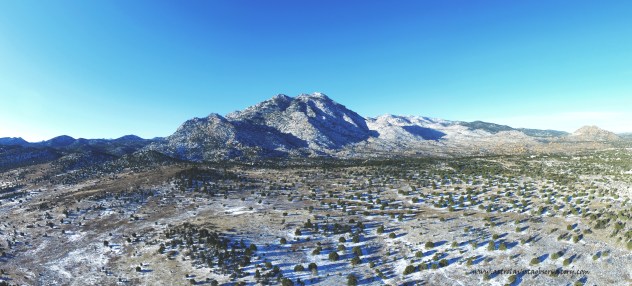

 Astro La Vista Observatory